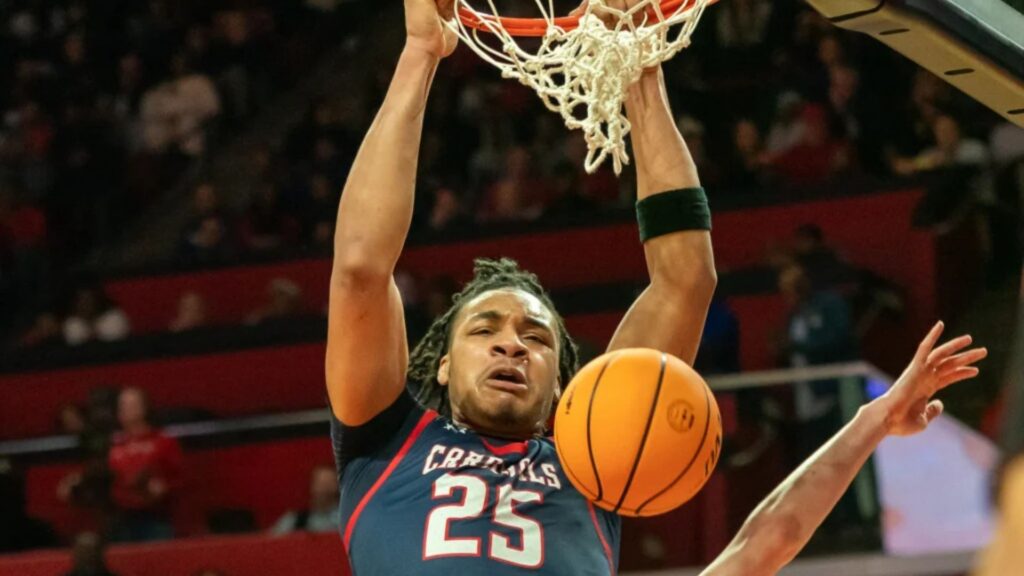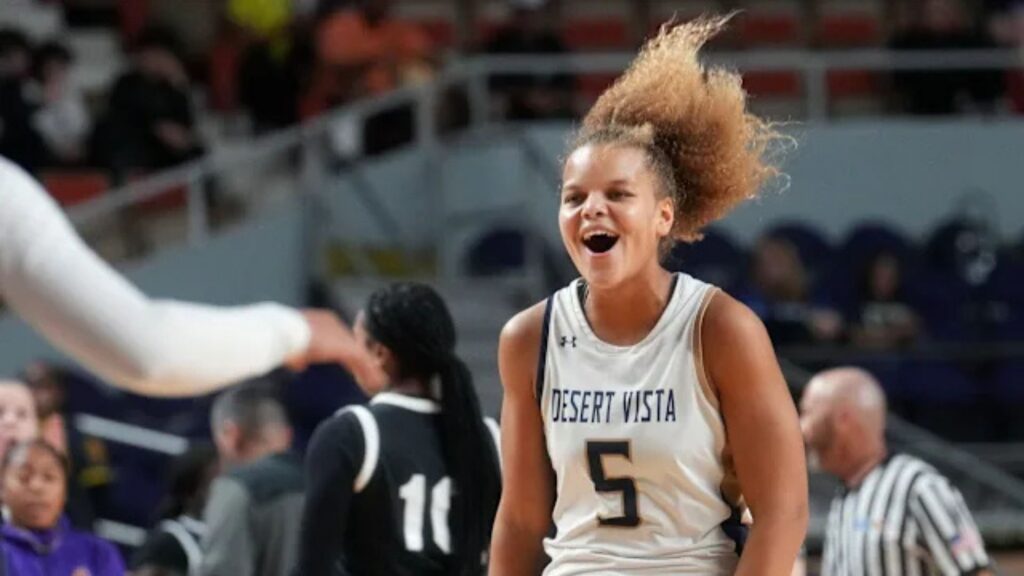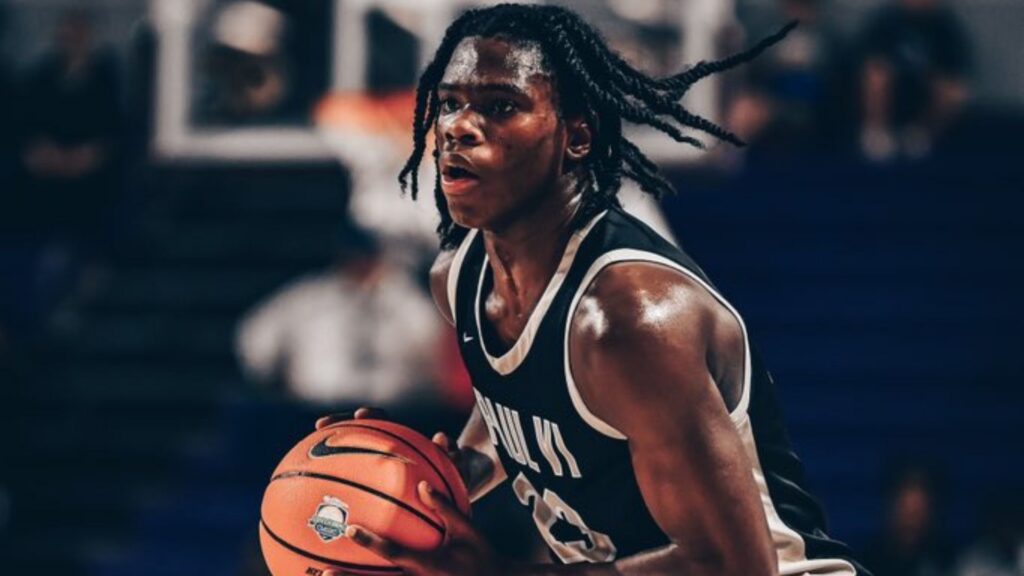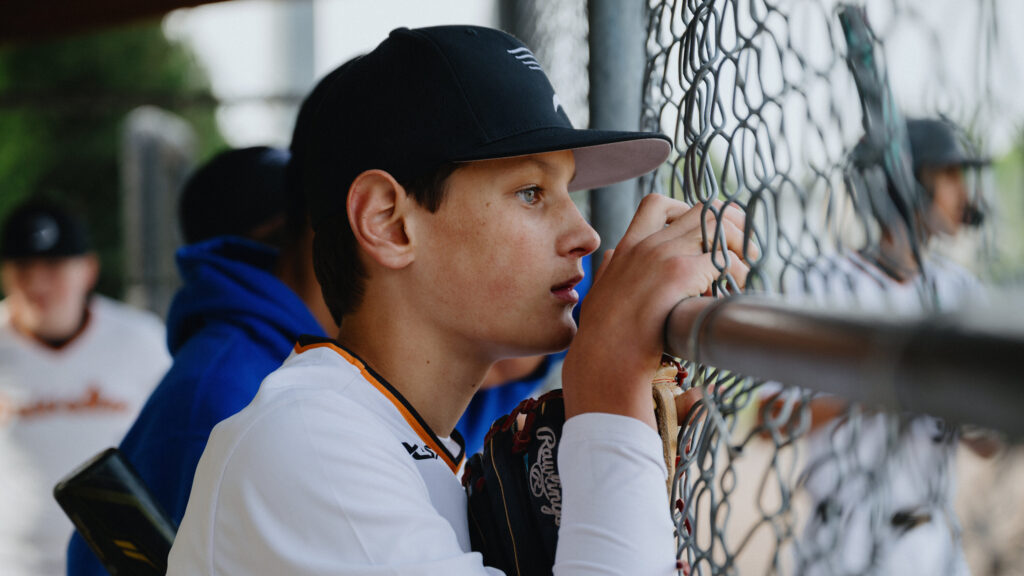
We spend a lot of time in youth sports talking about development.
Is my child getting better? Are they playing enough? Are they on the right team? Getting the right training? Are they being seen? What do they need to work on next?
All important questions.
But there’s another one we probably need to ask more often:
How are they doing?
Not as an athlete. As a kid.
Youth sports have become more competitive, more visible and, in many cases, more demanding. Young athletes are navigating rankings, travel schedules, year-round training, social media, exposure and, for some older athletes, NIL opportunities, all while still trying to grow up.
None of those things are inherently bad. In fact, many represent opportunities previous generations of athletes never had.
But opportunity and pressure can exist at the same time.
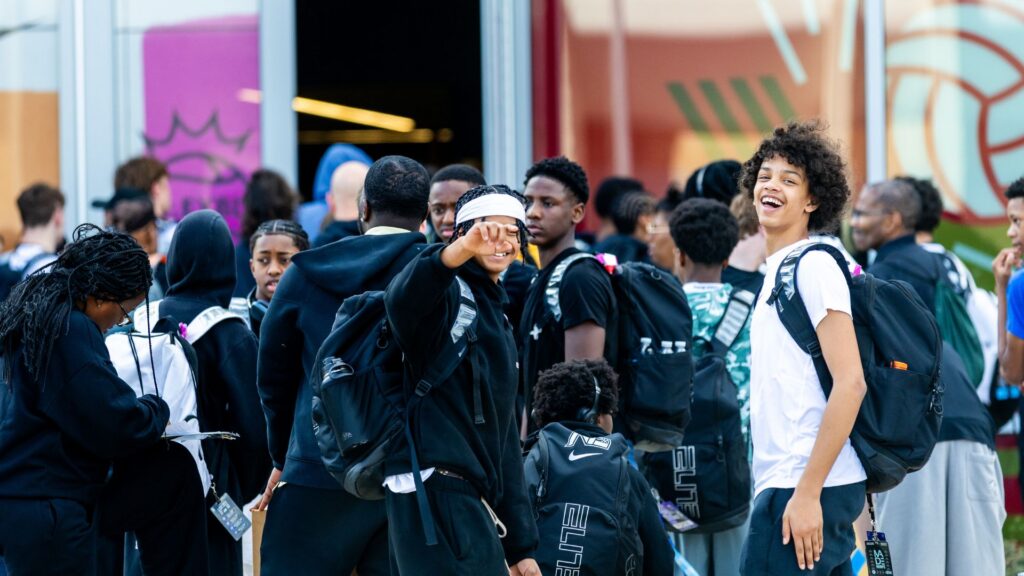
When Performance Becomes Personal
Competition is supposed to challenge young athletes. Learning how to prepare, respond to adversity, perform under pressure and recover from disappointment can be an incredibly valuable part of growing up.
The challenge comes when performance begins to define identity.
A bad game is no longer simply a bad game. It can start to feel like I’m not good enough.
Not making the team can become I’m a failure.
Watching another athlete receive an offer, ranking or opportunity can become I’m falling behind.
For a young person who is still developing emotionally, separating how I performed from who I am isn’t always easy.
That distinction matters.
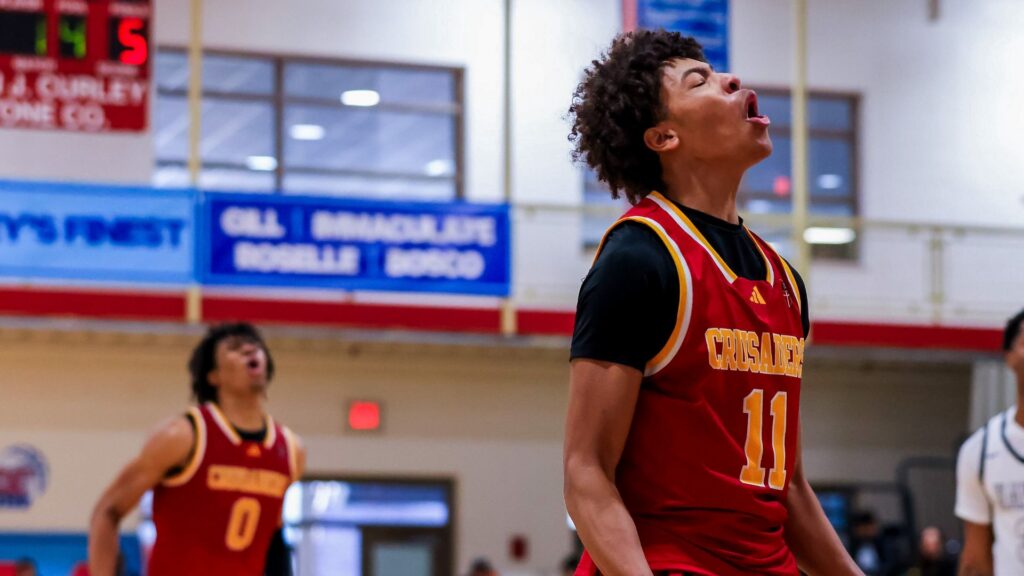
Growing Up With a Highlight Reel
Previous generations of young athletes could leave the gym after a difficult game and, eventually, leave the game behind.
Today’s athletes often carry it home in their pockets.
Social media has created extraordinary opportunities for young athletes to share their journeys, discover training resources, connect with other athletes and, increasingly, build audiences of their own.
It has also created an environment of constant comparison.
Highlights rarely show missed shots. Rankings don’t show uncertainty. Commitment announcements don’t show the setbacks that came before them. Training videos don’t always show the bad days.
A young athlete scrolling through that world can easily begin comparing the entirety of their own experience to the best moments of someone else’s.
That’s a difficult standard for anyone to live against, especially a kid.
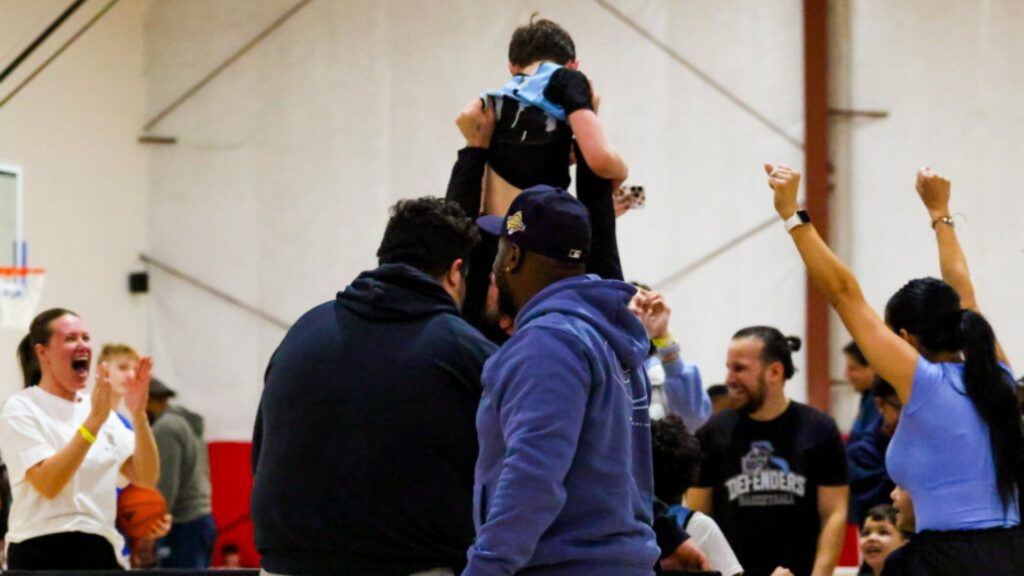
Maybe Toughness Needs a Broader Definition
Sports have traditionally celebrated toughness, and they should.
There is value in learning to push through fatigue, handle criticism, compete when things aren’t going your way and continue working when progress feels slow.
But toughness and silence aren’t the same thing.
An athlete saying they’re overwhelmed doesn’t automatically mean they lack resilience. A player admitting they’re struggling doesn’t make them less competitive. And asking for help shouldn’t be treated as evidence that someone isn’t built for the pressure.
Sometimes the strongest thing a young athlete can do is communicate what they’re experiencing.
The question is whether we’ve created an environment where they feel comfortable doing it.
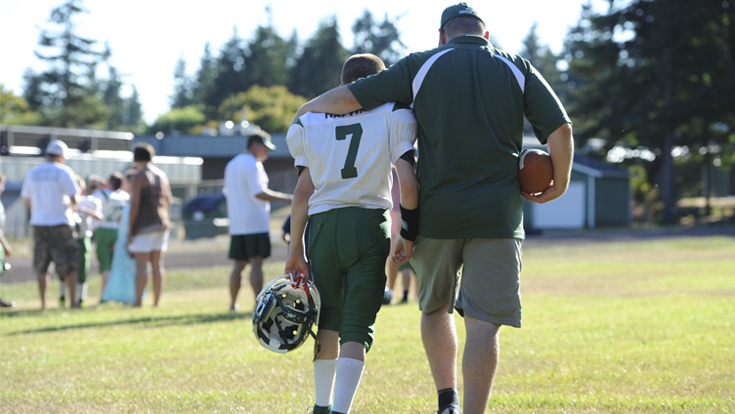
The Role We Play as Adults
For parents, coaches and trainers, that requires some reflection too.
What does the ride home after a bad game sound like?
Is every conversation about what they need to improve?
Do we ask how they’re doing as often as we ask how they played?
Can they tell us they’re tired, overwhelmed or frustrated without immediately receiving another lesson, solution or critique?
None of this means lowering expectations.
Young athletes need accountability. They need discipline. They need coaches and parents willing to challenge them. Learning to deal with adversity is one of the great benefits sports can provide.
But challenge works best when a young athlete also knows their value isn’t dependent on the outcome.
For parents especially, that can be difficult. We invest tremendous amounts of time, money and emotion into our children’s sports. We see their potential. We want them to succeed. When they’re struggling, our instinct is often to fix it.
Sometimes that means finding another trainer, getting more reps or pushing a little harder.
Sometimes, it means listening.
More Than the Game
At Elite Sports Connect, we believe preparing young athletes for success means looking beyond what happens on the scoreboard.
The goal isn’t to remove pressure from sports. Competition comes with pressure, and learning how to navigate it is part of development.
The goal is to make sure we’re developing the person experiencing that pressure along with the athlete expected to perform under it.
That requires parents, coaches, trainers and programs to pay attention not only to physical development, but to emotional well-being, communication, recovery and the environments we’re creating around young athletes.
Because at the end of all the practices, tournaments, rankings, offers, highlights and statistics, there’s still a young person underneath the jersey.
Mental health isn’t separate from athlete development. It’s foundational to it.
And if we’re serious about preparing young athletes for success, both in sports and in life, we have to develop both.Okay, so for visibility, here’s the updated article. I’m not sure if you saw that. It was generated in the Founders Room social chat, but wanted to put this in here. Wanted to put the updated article in for visibility.
We spend a lot of time in youth sports talking about development.
Is my child getting better? Are they playing enough? Are they on the right team? Getting the right training? Are they being seen? What do they need to work on next?
All important questions.
But there’s another one we probably need to ask more often:
How are they doing?
Not as an athlete. As a kid.
Youth sports have become more competitive, more visible and, in many cases, more demanding. Young athletes are navigating rankings, travel schedules, year-round training, social media, exposure and, for some older athletes, NIL opportunities, all while still trying to grow up.
None of those things are inherently bad. In fact, many represent opportunities previous generations of athletes never had.
But opportunity and pressure can exist at the same time.