There are a lot of teams in youth basketball.
Not as many programs, and even fewer that hold onto their identity as the game around them changes.
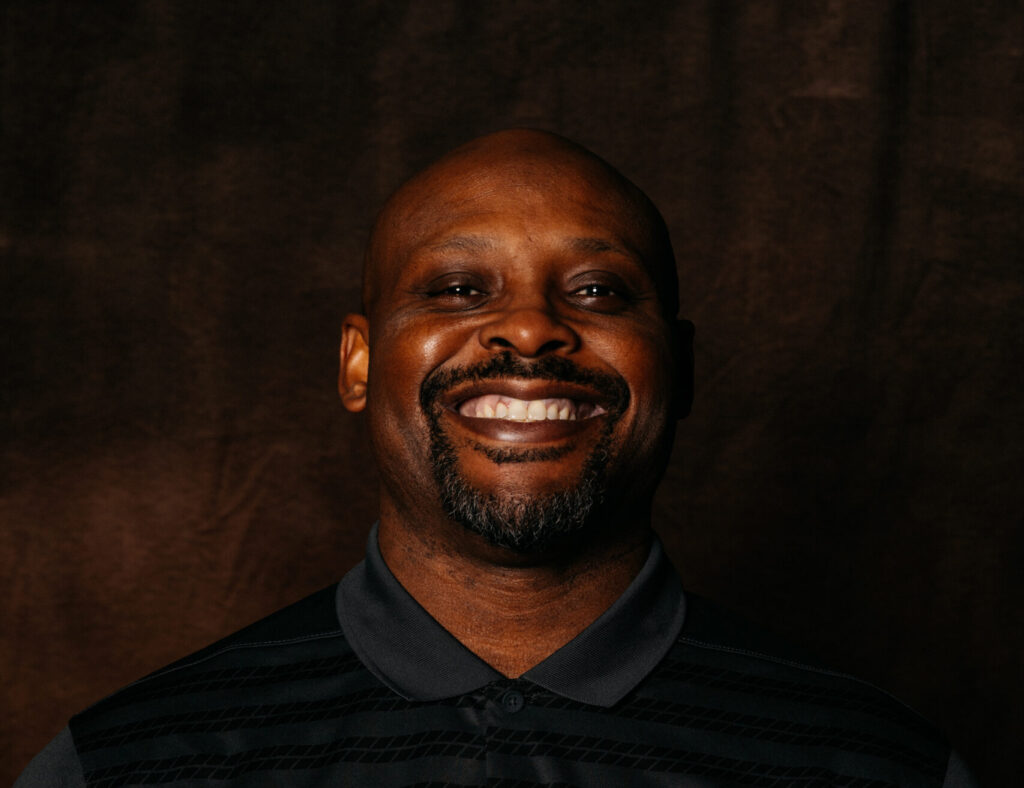
At Sidwell Friends School, Eric Singletary isn’t just coaching for wins. He’s building an environment that has to hold up in a system that’s gotten louder, faster, and more complicated over time.
A 1993 alumnus, Singletary returned to Sidwell in 2008 with perspective. He understands what the school represents, and he understands what the game has become.
The Role Has Changed
The job isn’t just basketball anymore.
Coaches today are managing expectations, exposure, parent dynamics, and long-term development decisions, often all at once. At the same time, they’re trying to protect something that’s getting harder to maintain.
Player growth.
Singletary doesn’t push against that reality. He works within it.
What Culture Actually Looks Like
One of the simplest things he’s done says the most.
He asks parents to sit behind the bench. Together. Not scattered throughout the gym. Not reacting individually.
It’s a small decision, but it sets the tone. This is a program, not a collection of agendas.
And in a system where outside voices carry more weight than ever, that alignment matters.
Development and Visibility
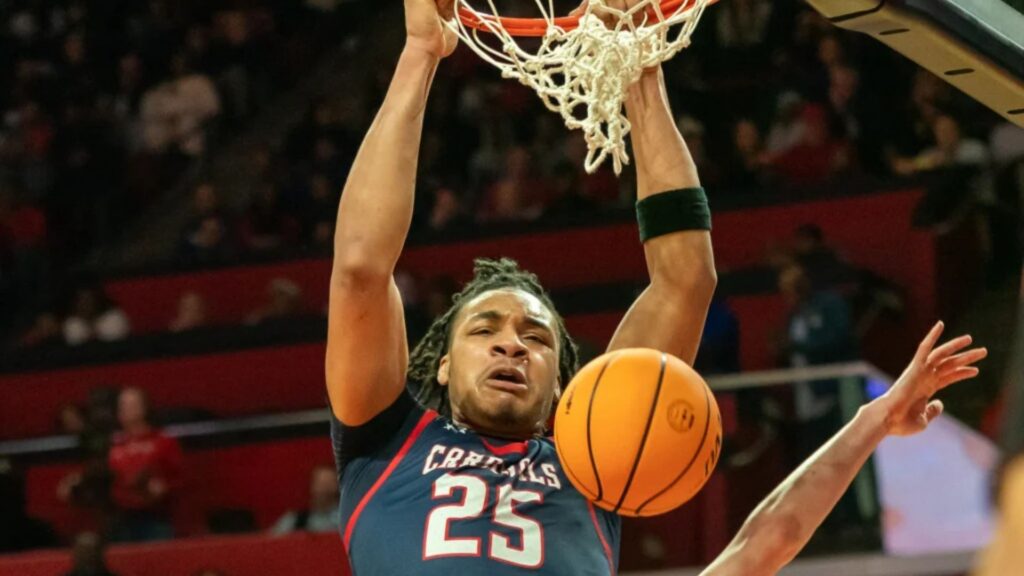
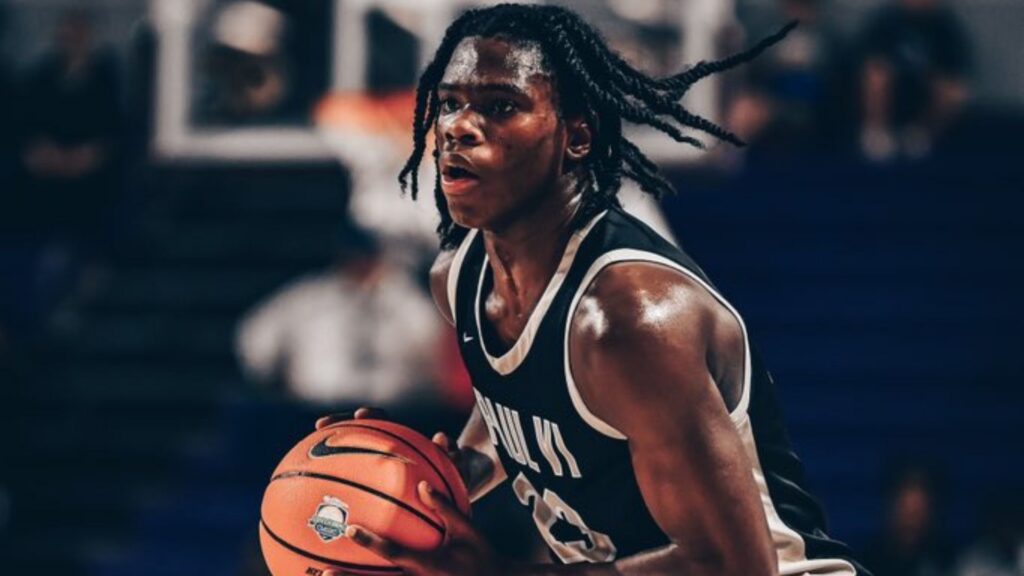
Singletary has coached players who’ve gone on to the highest levels, including Josh Hart and Saddiq Bey, along with Division I players like Acaden Lewis and Caleb Williams.
But that’s not really the story.
The story is what happens before any of that.
Because one of the biggest misunderstandings families have is thinking visibility creates opportunity. In reality, development is what sustains it.
And in today’s environment, those two are constantly being confused.
What He Understands
A lot of coaches talk about frustration with the system.
Singletary doesn’t.
He speaks with clarity. He understands what the system is, and more importantly, what actually matters inside it.
He’s not trying to outpace the noise. He’s trying to ground his players in something that lasts longer than it.
More Than Basketball
Youth basketball has become more transactional. More movement, more exposure, more pressure.
Singletary’s approach feels steady.
Not resistant. Not outdated.
Intentional.
Because the goal isn’t just to produce players. It’s to develop people who can navigate everything that comes with the game.
Why This Matters
For families trying to understand where their child fits, programs like this offer something that’s becoming increasingly rare.
Stability.
And in a system that doesn’t always provide it, that may matter more than anything else.