Elite Sports Connect | Featured Story
February 2026
By Sabai Burnett, Founder
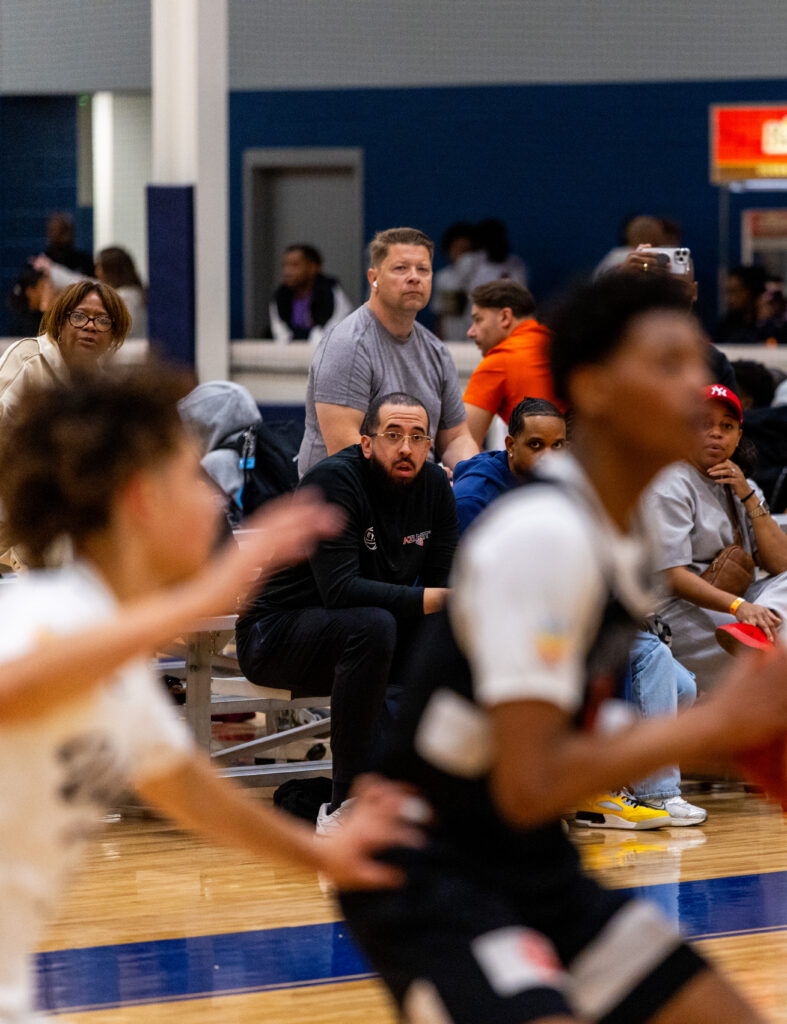
By February, you stop asking how long the season is.
You start asking how much longer your child can hold up.
The bags are already packed by the door. The car ride conversations have changed. Wins feel quieter. Losses feel heavier. Everyone is tired, even if no one is saying it out loud.
This is the part of the season people rarely talk about. Not the beginning, when everything feels fresh. Not the end, when there’s closure. But the middle, when the calendar keeps moving and the body and mind are asked to keep up.
As a father, this is where the season becomes real.
When You Realize There Was No True Start
Looking back, it’s clear this season didn’t really begin in November.
It began earlier. In fall ball. In tryouts. In conditioning. In the subtle shift from summer freedom to structured expectations.
At the time, it felt like preparation. A warm-up. Something manageable.
Now, halfway through winter, you realize it was the opening chapter of a much longer story.
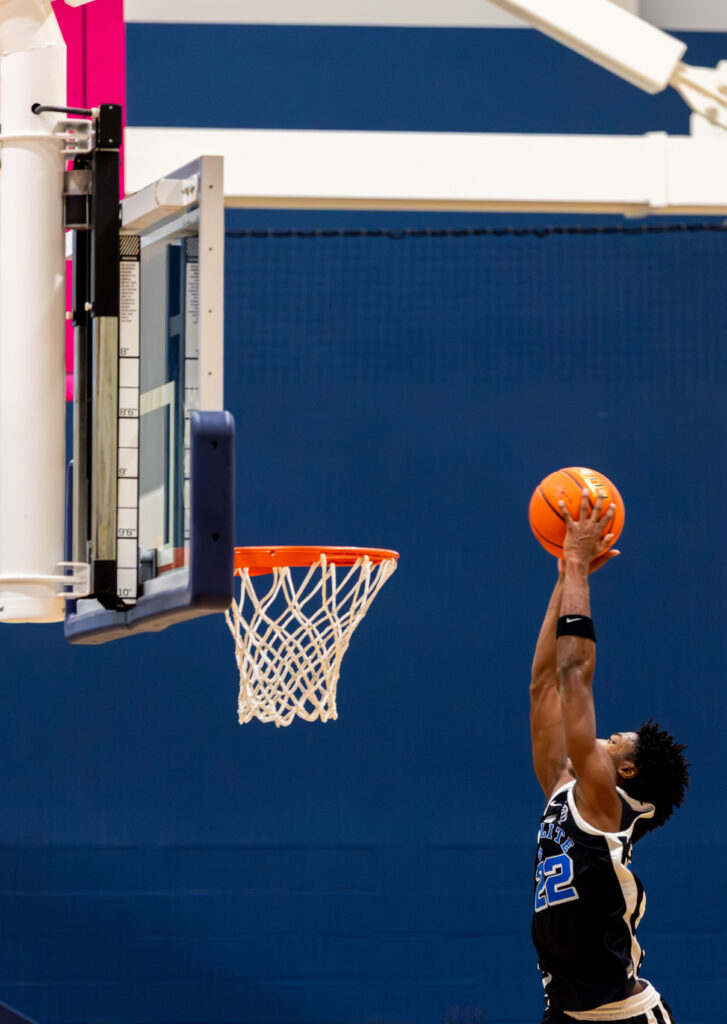
High school players have been grinding since the fall. Middle school athletes stepped into AAU schedules before the year even turned. Practices stacked on practices. Games layered on games. Training squeezed into the spaces between school and sleep.
There was no reset button. Just momentum.
Living Inside the Calendar
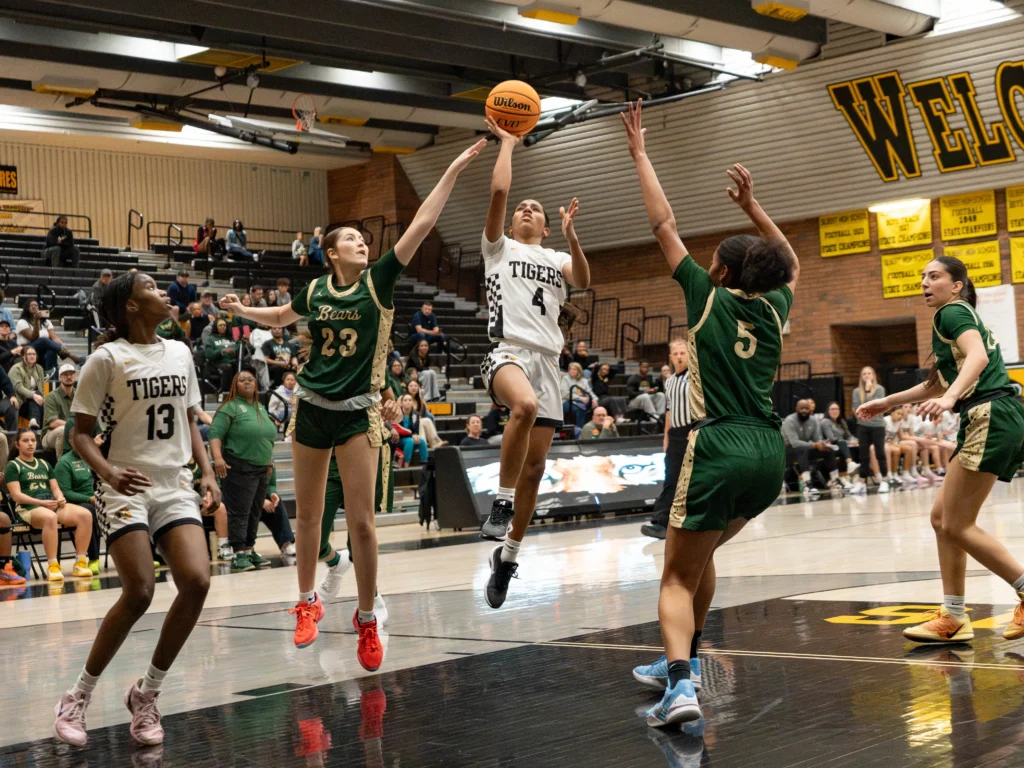
By February, the schedule stops feeling like dates on a page and starts feeling like weight.
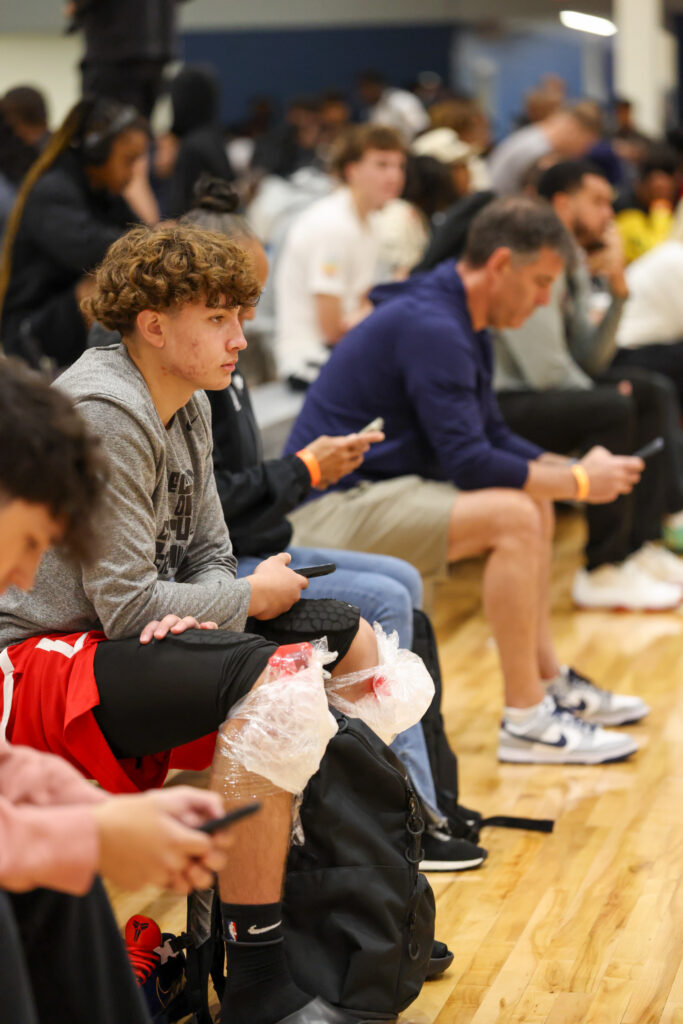
Early mornings. Late nights. Long drives. Missed weekends that don’t feel optional anymore. Schoolwork squeezed between practices. Bodies sore in ways kids don’t yet know how to describe.
As parents, we manage logistics constantly. But what’s harder to manage is watching how little space there is left for recovery. Not just physically, but emotionally.
This is when kids stop asking about the season and start asking about themselves.
Am I doing enough?
Am I falling behind?
Do I need to push harder?
Those questions don’t come from coaches. They come from comparison. From fatigue. From the quiet pressure of knowing the grind isn’t over yet.
The Part We Don’t Prepare Kids For
Youth basketball teaches discipline, resilience, accountability. All of that matters.
What it doesn’t always prepare kids for is the length of the journey. The accumulation. The way pressure builds not in moments, but over months.
By the middle of the season, effort alone feels heavier. Confidence wobbles. Joy gets harder to access. Kids learn how to push through without always understanding why they’re tired in the first place.
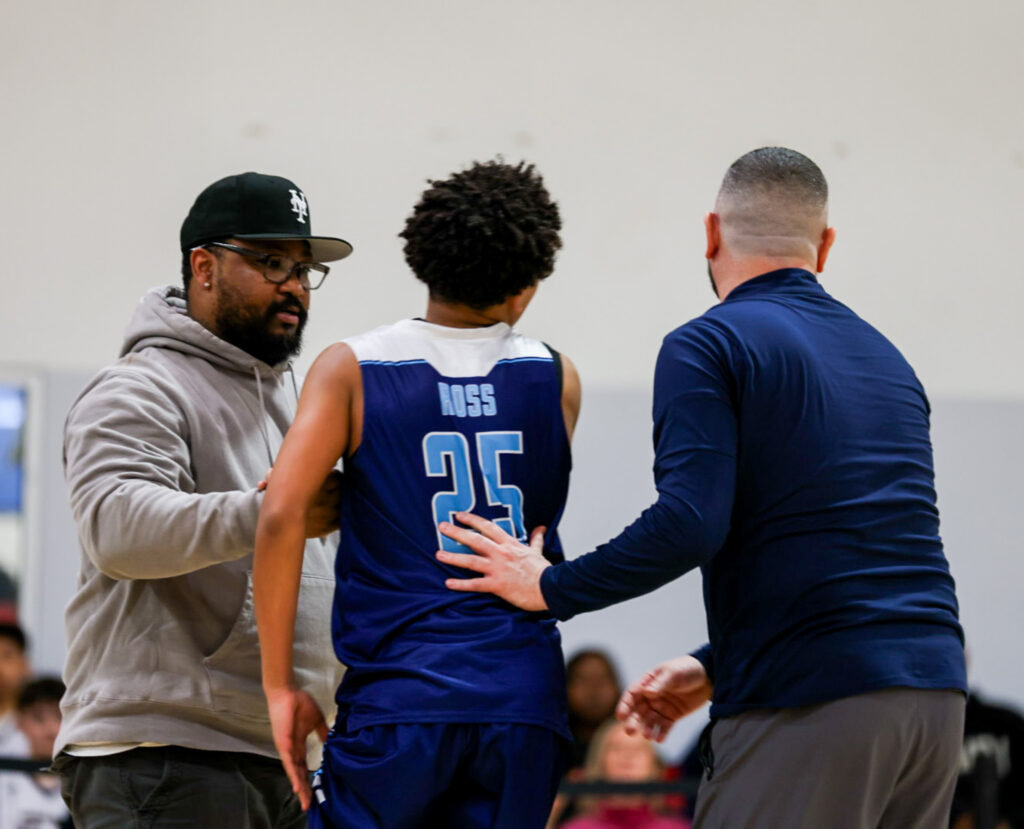
As a parent, this is the moment you realize your role is not to add more fuel.
It’s to protect the flame.
What the Middle of the Season Reveals
This is where development actually shows itself.
Not in highlights or rankings, but in how kids respond when energy dips and expectations remain.
Some grow.
Some struggle.
Most do a little of both.
What matters is whether they feel supported enough to keep going in a healthy way. Whether they know they’re allowed to rest. Whether the game still feels like something they get to play, not something they have to survive.
Why This Conversation Matters Now
By the time this piece comes out, many families will already be deep in it. Halfway through the season. Past the excitement. Not yet at the finish line.
That’s exactly why this conversation matters.
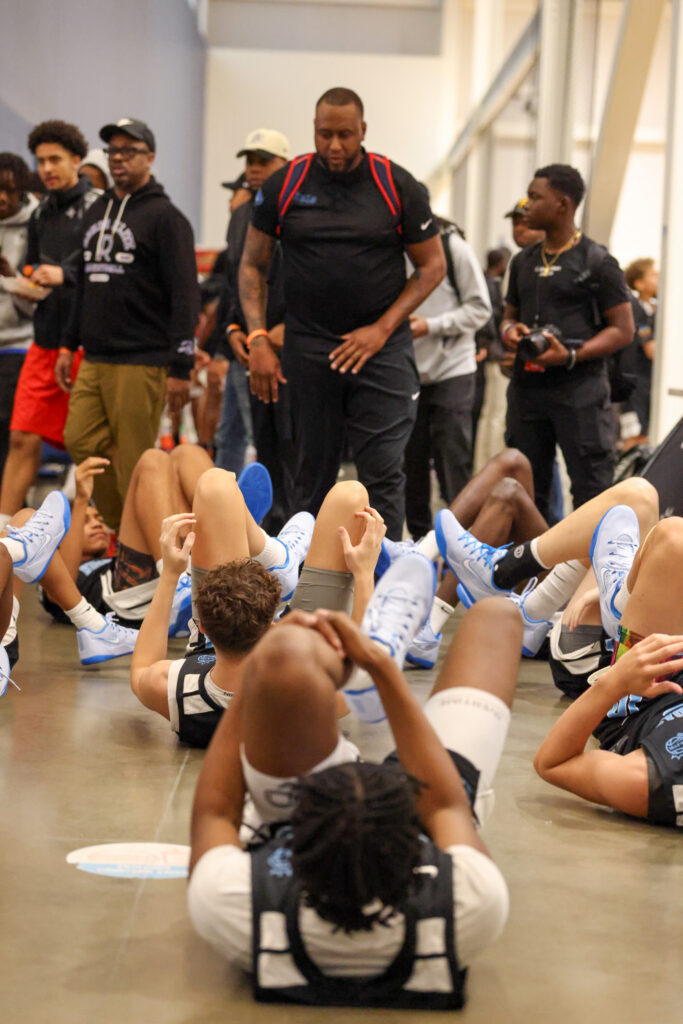
The long season is not just about how many games are played. It’s about how kids experience the stretch between the start and the end.
Elite Sports Connect exists to help families recognize that moment. To understand the cost of the calendar, not just the commitment to it.
Because development is not measured by how much a child can endure.
It’s measured by whether they can keep loving the game while they do.