Elite Sports Connect | ESC Reports
By Sabai Burnett
If you spend enough time in youth basketball gyms today, you start to notice something new.
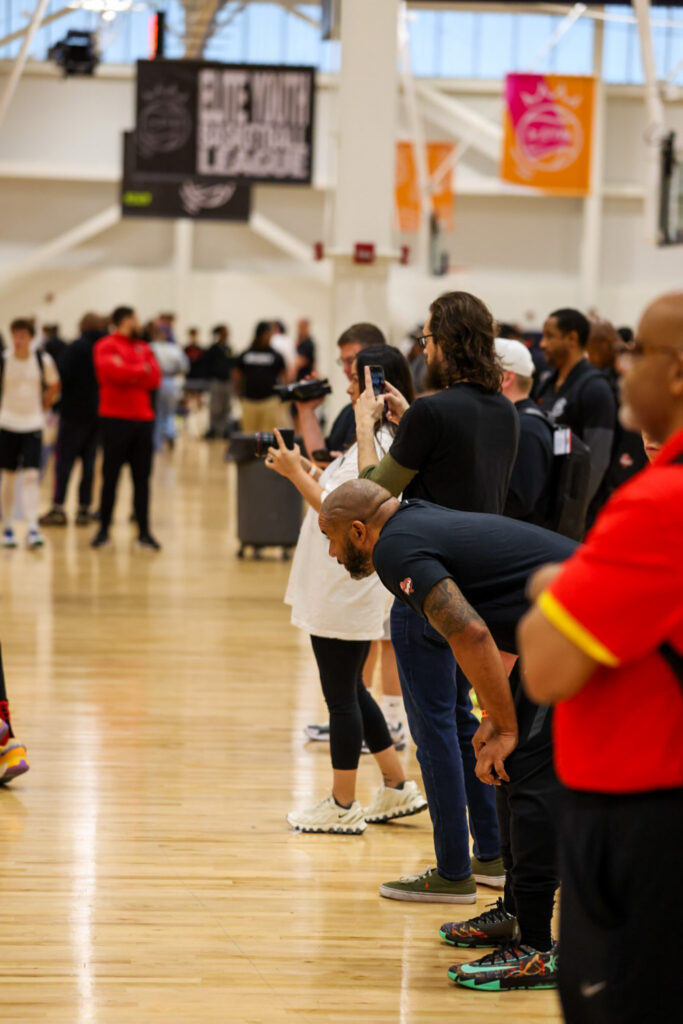
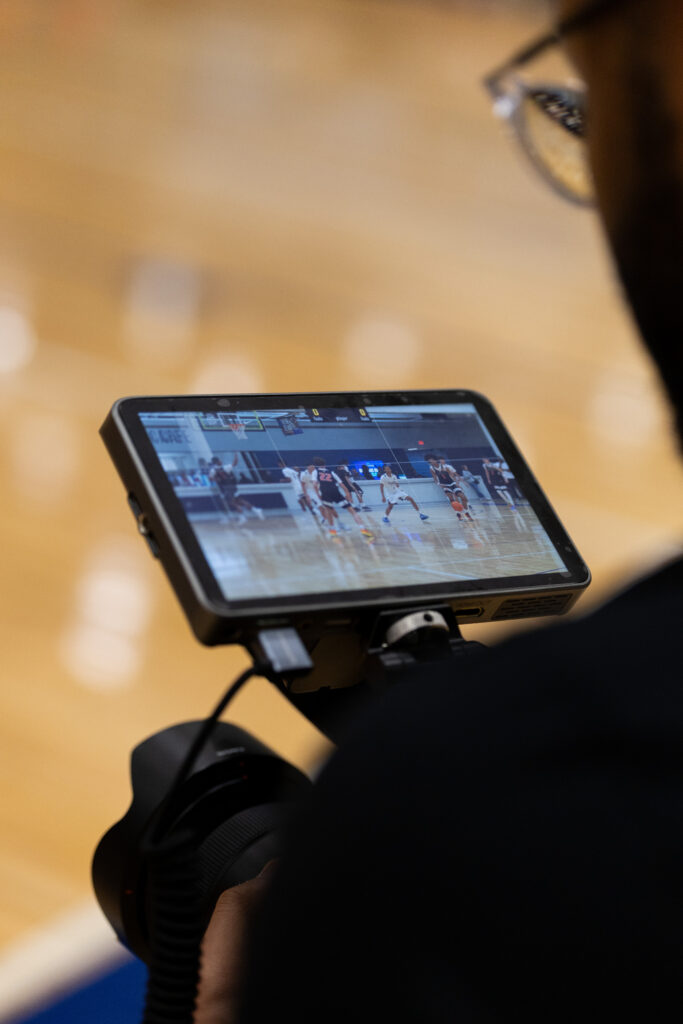
The cameras.
Phones along the baseline.
Social media outlets watching for moments.
Kids waiting for the next play worth posting.
At grassroots events like Junior EYBL, the game isn’t just being played.
It’s being distributed.
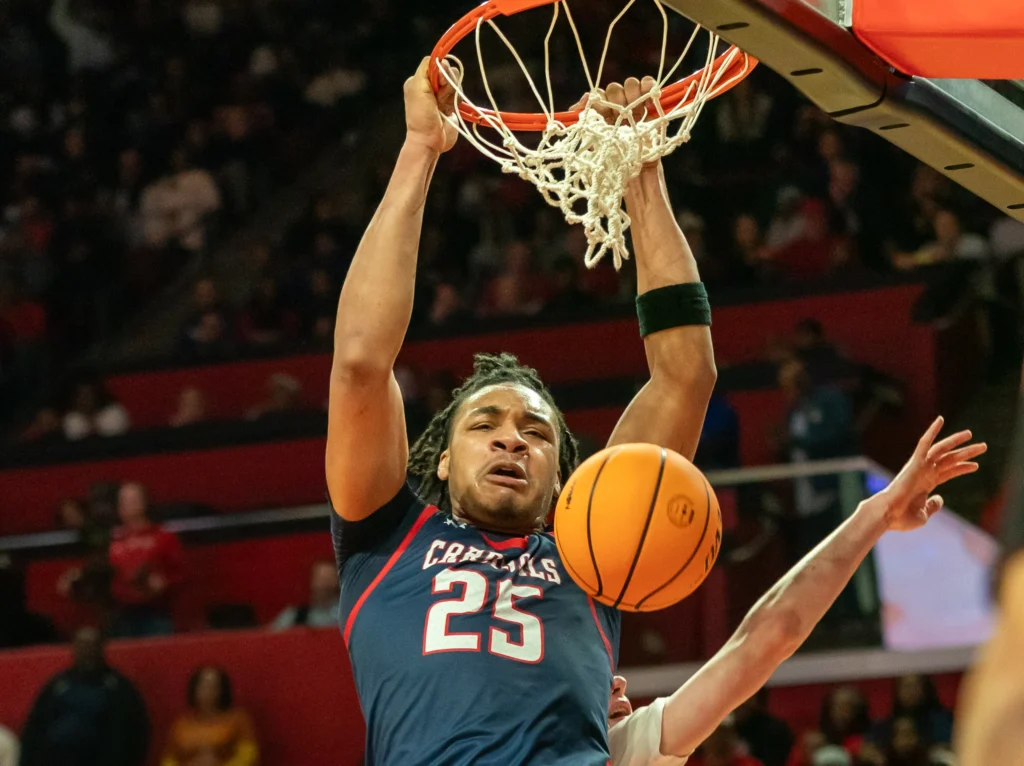
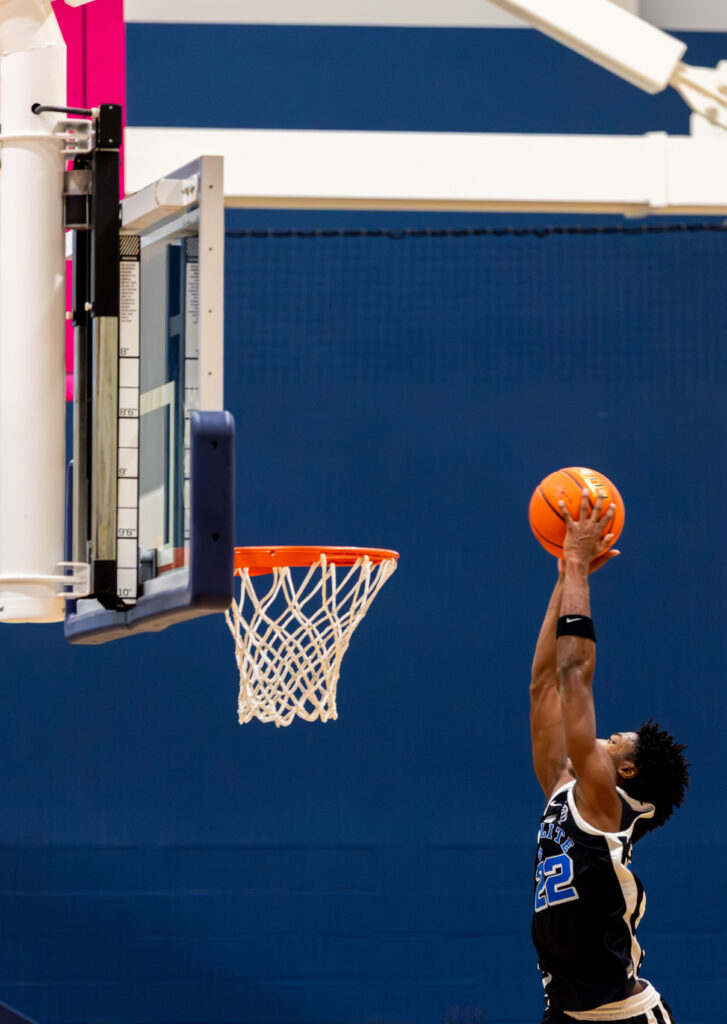
A dunk.
A block.
A step-back three.
Within minutes, a single play can travel across social media.
For the ecosystem around youth basketball, that visibility creates opportunity.
For the kids inside it, the experience can feel different.
Moments vs. Performances
A player can have a strong game.
Compete hard.
Make good reads.
Help his team win.
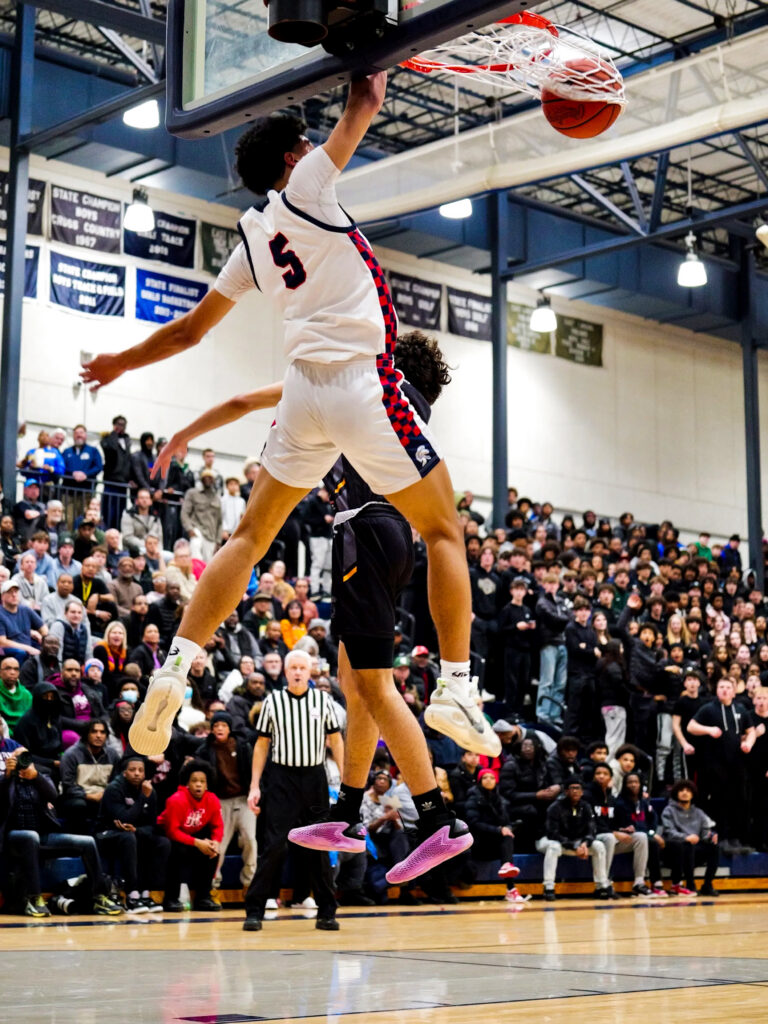
But if none of those moments turn into a highlight clip or a “standout player” post, it can sometimes feel like the performance didn’t register.
The opposite can happen too.
One exciting play travels online and suddenly the moment becomes the story.
Neither version captures the full game.
But both shape perception.
And the players notice.
The Age Matters
Most of the athletes playing Junior EYBL are still in middle school.
Seventh grade.
Eighth grade.
This is the stage where the focus should still be development.
- Learning how to compete
- Learning how to handle adversity
- Learning how to grow physically and mentally as a player
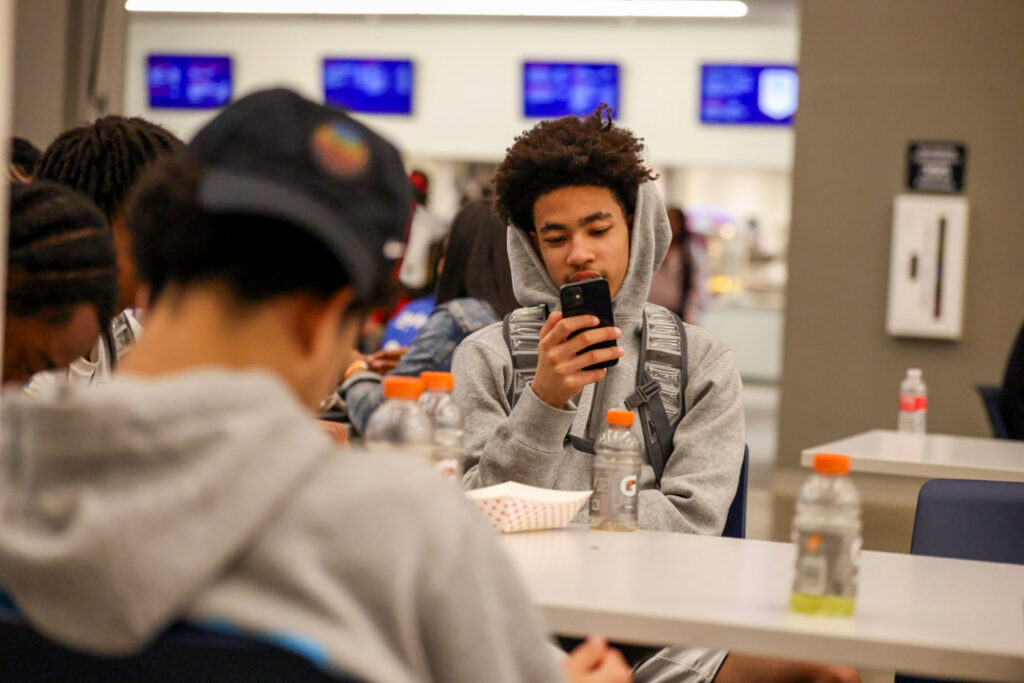
But the attention surrounding the game now moves much faster than development does.
And that creates tension families have to learn how to navigate.
The Long Timeline
For players who hope to play college basketball one day, the recruiting conversation rarely begins this early.
High school is where real evaluation starts.
- Sophomore year
- Junior year
That’s when college programs begin paying closer attention.
Which means the moments happening in middle school tournaments should rarely be treated as defining ones.
They are early chapters.
Not final judgments.
Visibility Without Context
Highlight culture isn’t inherently negative.
It celebrates the game.
It creates excitement.
It gives talented players a platform.
But a highlight is still just a moment.
Development is something else entirely.
For families navigating youth basketball today, understanding that difference matters.
Because the journey from middle school gyms to real basketball opportunity is still measured in years, not posts.
And the players who benefit most from this stage are usually the ones who learn to focus less on the moment being shared and more on the work still ahead.