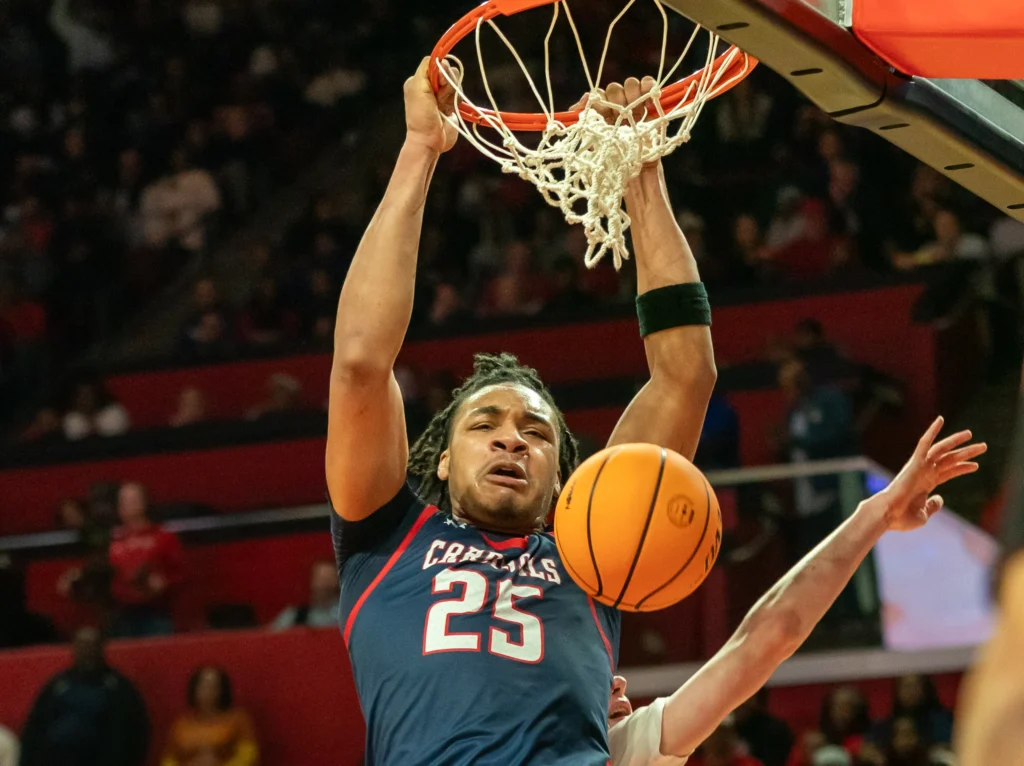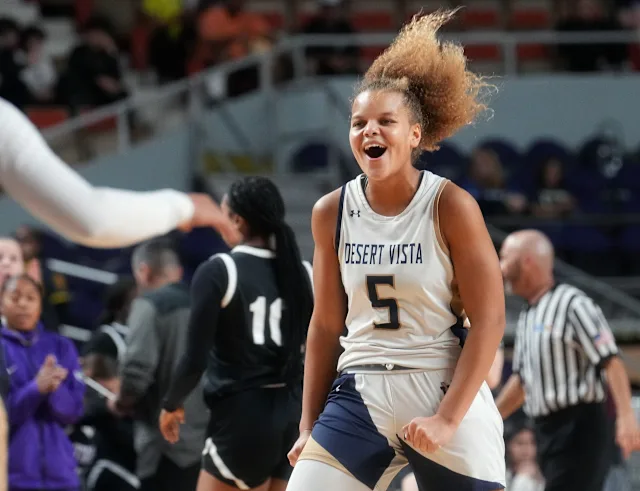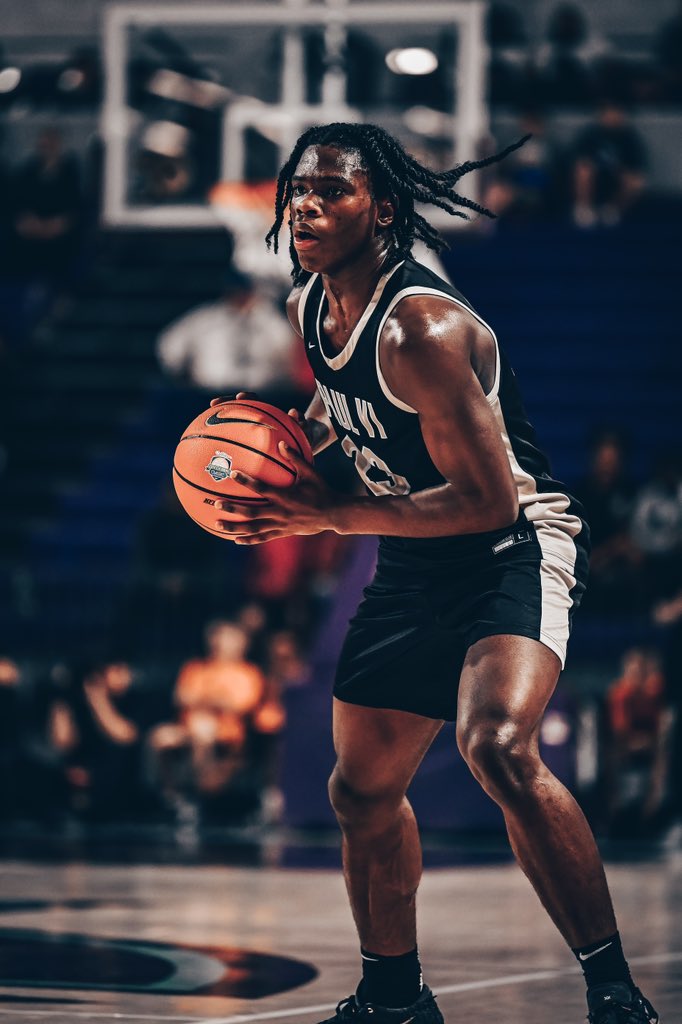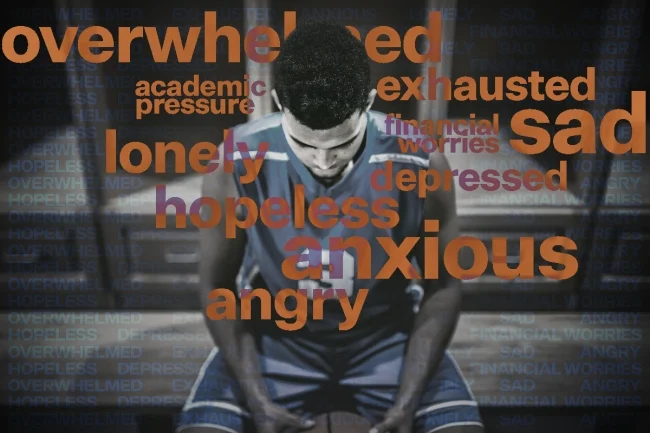
In a world that increasingly equates potential with performance, today’s youth athletes are navigating a complex, high-pressure environment that often places mental health on the backburner. The scoreboard may show points and wins, but behind the scenes, many young competitors are quietly battling stress, anxiety, burnout, and identity struggles that rarely make the highlight reel.
As youth sports become more structured, more competitive, and more commercialized, it’s time to ask a difficult question: Are we protecting the minds of the young athletes we’re pushing to be great?
A Silent Struggle
The drive to succeed begins earlier than ever. Athletes are being ranked in middle school, offered NIL deals in high school, and pressured to perform across club teams, travel leagues, and social media channels—all while trying to grow up. According to the American Academy of Pediatrics, rates of anxiety and depression among children and adolescents have skyrocketed in recent years, and competitive youth sports environments often amplify the pressure.
“When the game becomes your identity, your mental health rides the highs and lows of performance,” says Dr. Briana James, a sports psychologist who works with high school athletes. “A bad game can feel like a personal failure. That kind of emotional volatility is tough to manage without the right support.”
The Social Media Effect
For this generation, performance isn’t just for coaches and scouts—it’s also for followers and likes. The curated feeds of peers and influencers can distort reality, leaving athletes chasing perfection and comparing their journey to someone else’s highlight reel. This constant exposure can lead to self-doubt, performance anxiety, and fear of failure.
Coaches, parents, and trainers must now operate not only as physical mentors but as emotional support systems in an always-on culture that rarely shows its cracks.
Redefining Strength
For too long, mental toughness in sports was defined by silence. “Push through it.” “Tough it out.” But the new generation of athletes is rewriting that script—and rightly so.
Athletes like Simone Biles, Naomi Osaka, and DeMar DeRozan have opened the door to vital conversations about vulnerability and emotional health. And while these names dominate professional headlines, the same conversation needs to happen on the youth level—at practice, in the locker room, and at the dinner table.
“Courage isn’t pretending everything’s fine. It’s saying, ‘I need help,’” says Coach Munch Williams of PSA Cardinals. “That kind of honesty is what we should be encouraging.”
The Role of Adults
Parents, coaches, and mentors must create environments that reward effort, embrace growth, and encourage communication. Mental health support should be built into every program—just like strength and conditioning. That means access to counselors, mindfulness training, recovery protocols, and open-door policies that don’t just focus on the athlete, but the human being.
And for parents, the role is often just as emotional. Seeing your child struggle can be painful—but the solution isn’t always to push harder. Sometimes, it’s to listen more.
Moving Forward, Together
At Elite Sports Connect, we believe the athlete is more than their stats, and the journey is more important than the destination. As we continue to educate families on how to navigate youth sports, we’re also advocating for a new definition of success—one that includes emotional well-being.
Mental health isn’t a sidebar to development—it’s foundational. And by acknowledging it, supporting it, and prioritizing it, we’re not just building better athletes.
We’re raising stronger people.