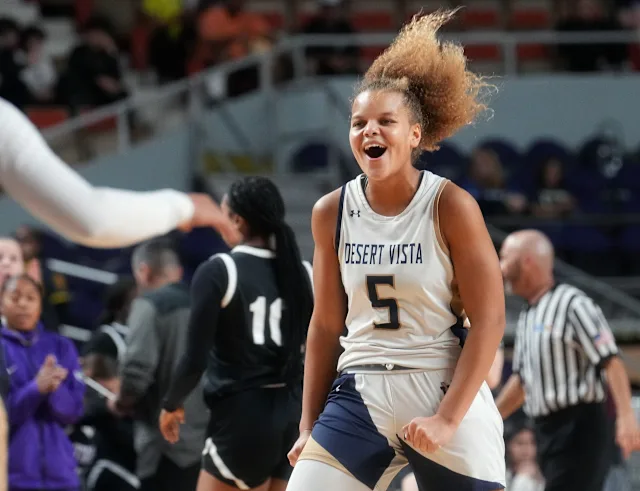
From the outside, youth sports looks like a storybook. A child with raw talent, a supportive family, a coach who believes. Tournaments turn into trophies. Highlights turn into scholarship offers. But for families on the inside — especially those without legacy access, deep resources, or elite zip codes — the path forward feels less like a dream and more like a pressure cooker.
It’s that pressure that made me start Elite Sports Connect.
I’ve sat in the bleachers as a parent. I’ve watched the politics from the sideline as a coach. I’ve worked behind the curtain in sports, fashion, music, and media long enough to know: access isn’t equal, information isn’t centralized, and far too often, the athlete — and their family — are left guessing. Guessing how to move. Who to trust. What to invest in. And what to walk away from.
The Reality Few Talk About
For families trying to “do it right,” youth sports is no longer about just showing up and playing. It’s training four nights a week, traveling across state lines for a weekend showcase, investing in personal development coaches, nutrition plans, and now, media strategy. It’s registering for multiple camps in fear that missing one could set your child back. It’s the guilt of questioning whether you’re doing enough—or too much.
And for what?
Sometimes it’s the hope of a scholarship. Sometimes it’s the possibility of turning potential into opportunity. But more and more, it’s also about identity. A belief that sports may be the ticket to stability, visibility, and even generational change.
What’s often missing is guidance. There is no true roadmap—especially for first-generation sports families or those outside the traditional pipelines. The conversations happening behind closed doors at prep schools, in trainers’ group chats, or among connected parents don’t always trickle down. And by the time most families learn how the system works, they’re already behind.
When the Game Becomes a Job
The phrase “youth sports” feels misleading now. For elite-level athletes, many of whom haven’t even hit high school, the experience already mirrors that of a college program: branded content, performance pressure, and national rankings. They’re building personal brands on TikTok. Signing NIL deals in states that allow it. And competing in systems designed to reward physical maturity and early bloomers.
But they’re still kids.
This hyper-professionalization doesn’t just affect the athlete. It reshapes family dynamics. Parents become handlers. Siblings are often asked to adjust around a sports-driven schedule. Weekends, summers, and family vacations become opportunities for exposure — not rest. The weight of a child’s future can feel like it’s balancing on every decision a parent makes.
I’ve seen the toll that takes. And I’ve lived it.
Why ESC Exists
Elite Sports Connect was built to offer families a space where they could get real answers. Not a highlight reel. Not another platform pushing hype. But a hub that empowers, informs, and advocates for long-term success — on the court and off of it.
I didn’t want another blog that regurgitates rankings or feeds the algorithm. I wanted to create a place that treats families like decision-makers, not consumers. A place where we can talk honestly about burnout, financial strain, NIL pressures, reclassification decisions, and the emotional rollercoaster of being 14 years old with D1 expectations on your back.
ESC is a community. A newsroom. A guide. A safe space. It’s a tool for parents who feel overwhelmed by the noise. It’s a voice for athletes trying to navigate identity and performance. It’s a platform rooted in truth — not just hype.
What Comes Next
This article is not just a feature. It’s our manifesto. Every week, every month, you’ll find stories here that push the conversation forward. We’ll spotlight the athletes who deserve more shine — not just the ones already in the mix. We’ll interview the voices you may not hear on ESPN but who shape the space behind the scenes. And we’ll report on the systems — good and bad — that shape the future of youth sports.
But most importantly, we’ll keep it honest. Because the real pressure isn’t just to play well — it’s to make the right decisions. And for too long, families have been asked to do that alone.
We’re here to change that.