From endorsement deals to time management challenges, we examine the upside—and the emotional toll—of NIL on young athletes.
NEW YORK —The Game Has Changed — But Who’s Really Winning?
As six-figure deals become the new norm, young athletes and their families are being forced to navigate uncharted territory—balancing pressure, promise, and the pursuit of the game. What used to be the start of a dream, an invitation to play at the next level—is now a negotiation table. And the athletes are getting younger.
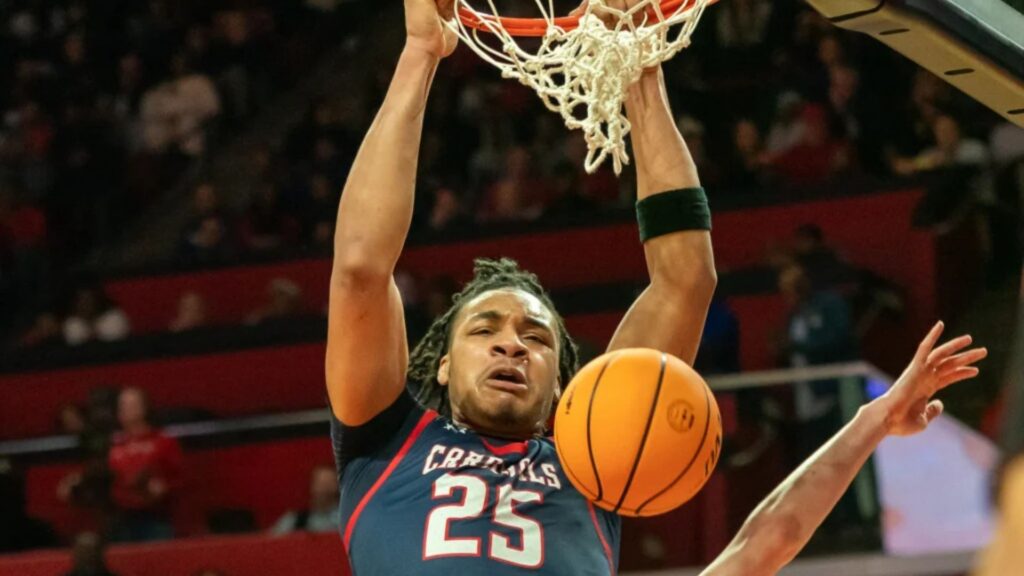
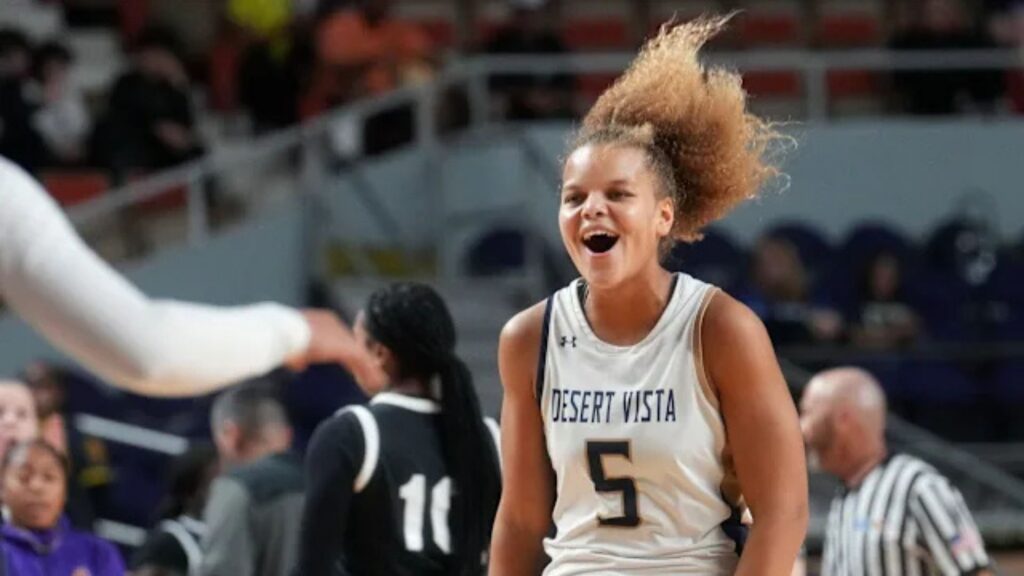
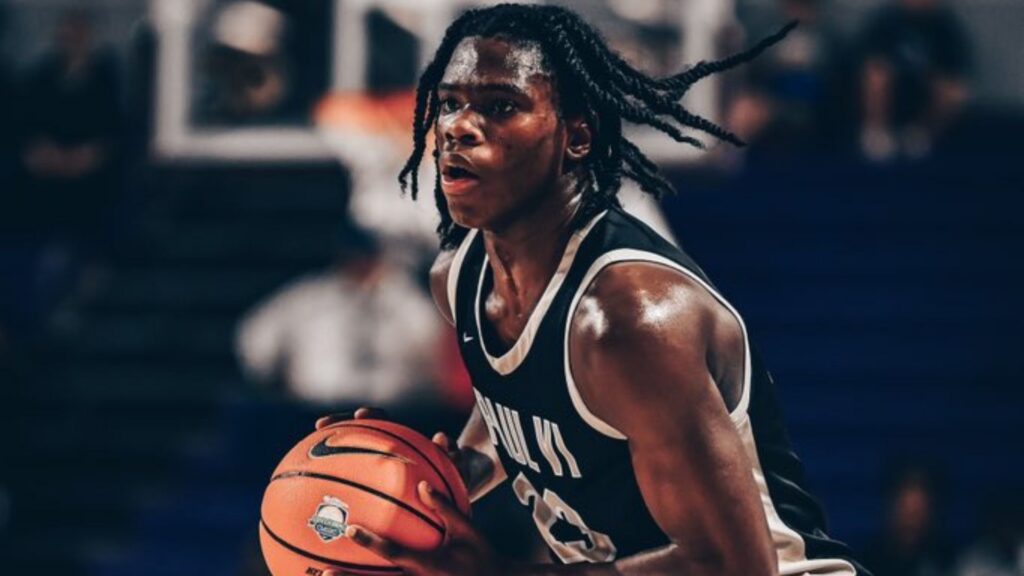
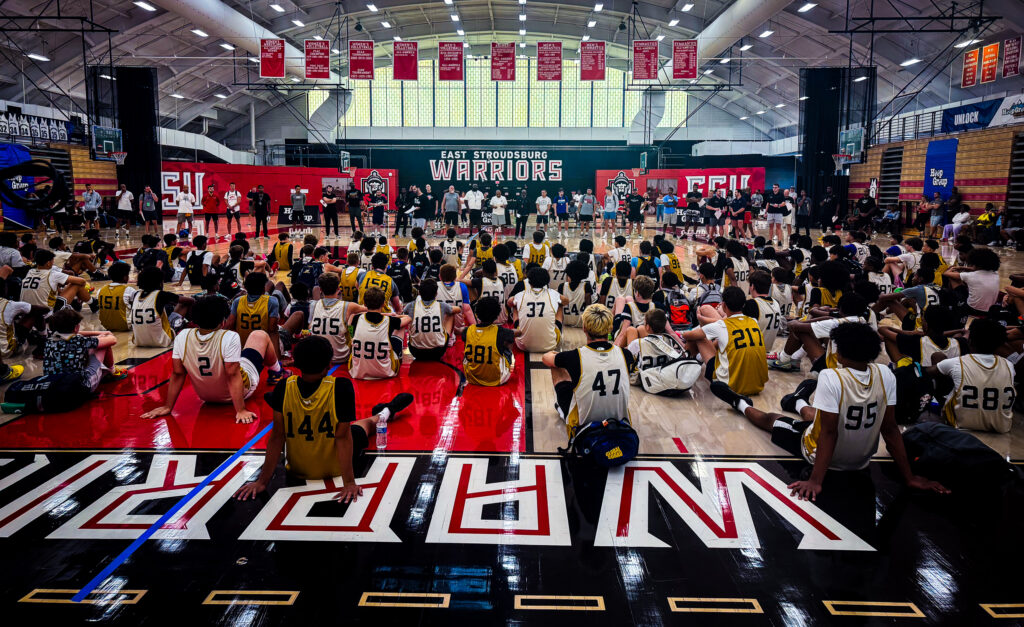
The NIL (Name, Image, and Likeness) era, once reserved for college stars and NCAA debates, has quickly descended into high school gyms and AAU circuits. Today, teenagers are signing endorsement deals worth more than the annual salaries of their coaches. Their faces appear in sneaker ads. Their handles trend on TikTok. And their decisions—about which school to attend or which circuit to join—are often influenced as much by brand strategy as basketball IQ.
For some families, it’s a blessing. For others, it’s a storm.
The Rise of the Teenage Endorsement
Take AJ Dybantsa. At just 16, the top-ranked prospect in the Class of 2025 already carries himself like a pro—not just on the court, but off of it. His highlight reels rack up millions of views. His every move is dissected by fans and recruiters alike. The stakes are high, and so are the numbers.
Then there’s Cooper Flagg. The 6’9” forward out of Maine reclassified to graduate early, committed to Duke, and built a social following that rivaled many NBA veterans before ever stepping onto a college court. That visibility—and dominance—culminated in him being selected No. 1 overall in the 2025 NBA Draft.
Right behind him at No. 2 was Dylan Harper, another five-star phenom whose high-profile lineage and electrifying play made him one of the most talked-about prospects in the country. Both athletes, once headliners of the NIL conversation, are now proof that early exposure and endorsement deals didn’t just coexist with elite development—they helped fuel it.
Earlier this year, Adidas made headlines by signing eight high school athletes—male and female—to NIL deals, formalizing what’s already been unfolding informally: high schoolers, not just college athletes, are driving cultural influence in sports.
Exposure vs. Exploitation
NIL, at its best, is about empowerment. For too long, young athletes—particularly Black athletes—have generated billions in value for institutions without seeing a dime. The new landscape offers an opportunity to shift that power dynamic. Kids from underserved communities can now earn life-changing money. Families can gain financial stability. The pipeline of wealth no longer begins at the NBA draft. But that opportunity comes with pressure.
Athletes are expected to be players, entrepreneurs, content creators, and public figures—all before they turn 18. A missed practice might not just cost them minutes—it might damage a contract. A poorly timed post could threaten an endorsement. And for many, the love of the game now competes with the demands of the brand.
The result? Burnout. Identity confusion. Friction between team culture and personal ambition.
Are Families Ready?
Behind every NIL headline is a family—often without legal counsel, media training, or financial literacy support—trying to navigate deals that could reshape their lives. Some states don’t allow high school athletes to monetize their NIL. Others do. Some schools offer guidance. Most don’t.
The disparities are stark. For every Flagg or Dybantsa, there are thousands of talented players—and their parents—trying to decipher contracts, weigh long-term implications, and balance the hype with real-life needs. When the stakes are this high, who’s protecting the athlete?
And more importantly—who’s preparing the families?
The Scholarship Shift
College recruiting isn’t immune to this transformation. Coaches are now evaluating players not just for their skillset, but for their marketability. Some schools are building NIL war chests to court top talent. Others are pulling back, unable to compete in what feels like a bidding war.
What used to be a promise of development is now a promise of deliverables.
Offers come with expectations—on-court production, yes, but also brand consistency, media availability, and “influencer potential.” For players, that might mean less room for mistakes. For teams, it might mean more volatility.
And for the game itself, it may mean the start of a new hierarchy: those who earn, and those who wait.
Where Do We Go From Here?
There’s no denying the opportunity NIL brings. It’s a long-overdue step toward equity in sports. But the conversation can’t end at the dollar signs.
We have to ask: Are we preparing young athletes to be more than brands? Are we ensuring they love the game as much as they monetize it? Are families equipped to make choices that won’t just go viral—but last?
Because for all the money now in youth sports, the real currency remains the same: time, trust, and truth.
And in this new NIL era, those are the assets that can’t be fumbled.