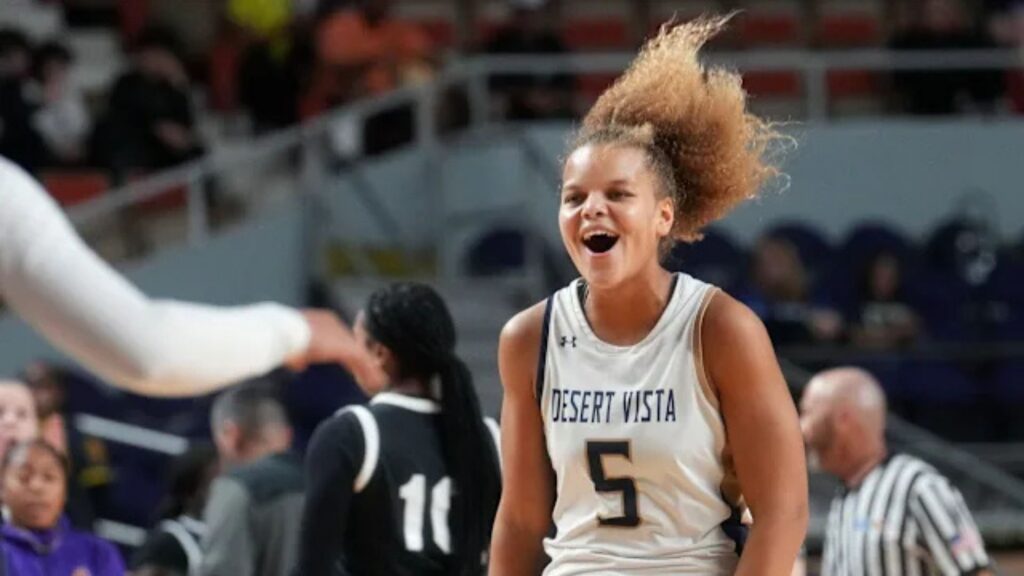
Reclassing rarely starts as a plan.
It usually starts as a question.
A coach mentions it casually.
A parent brings it up after a tournament.
A comparison sparks it during a long car ride home.
Not because a child is failing.
But because the pace around them feels faster than it used to.
In youth sports today, reclassing has become less about advantage and more about relief.
- Relief from pressure
- Relief from comparison
- Relief from the feeling that time is running out before it has fully begun

Reclassing Isn’t New. The Timing Is.
Reclassing has always existed.
Late bloomers. Academic maturity. Injury recovery. Strategic prep years. Those decisions were typically made later, closer to the moment when physical development and personal identity were more stable.
What has changed is when the conversation starts.
Today, reclassing is discussed earlier and earlier.
- Sometimes before high school
- Sometimes before puberty
- Often before a child fully understands who they are
The decision itself is not the issue.
The timing is.
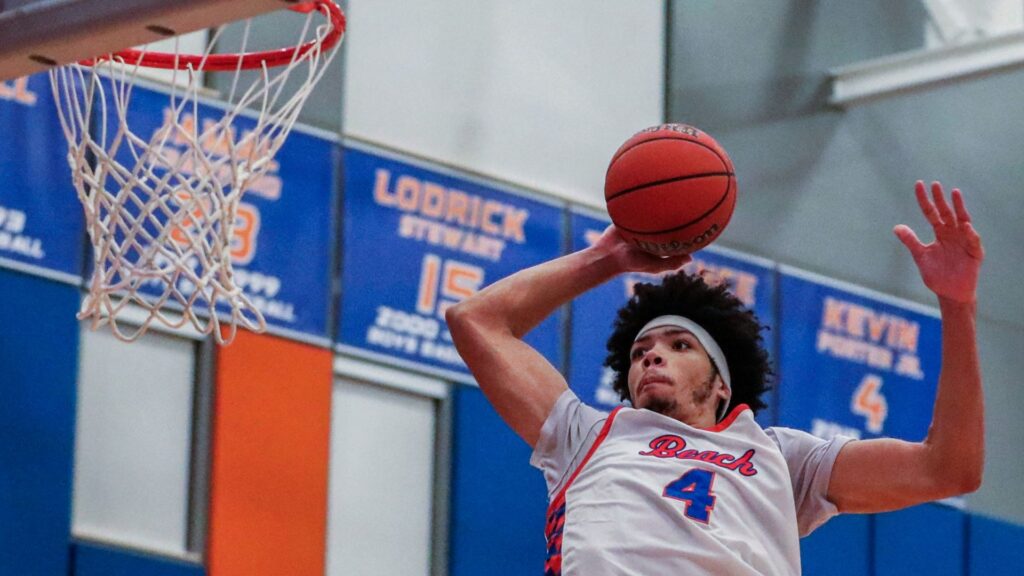
What Families Are Actually Buying
Families are rarely buying dominance.
They are buying time.
- Time to grow physically
- Time to catch up developmentally
- Time to feel competitive again
- Time to breathe
In a system that increasingly rewards readiness over patience, reclassing can feel like the only way to slow the clock.
But time, once bought, comes with expectations.
The Cost That Doesn’t Show Up on Paper
Reclassing always has a price.
Not just financial.
- The social cost of being older than peers
- The emotional cost of needing to justify the decision
- The pressure of making the extra year “count”
Older athletes are expected to:
- Lead sooner
- Dominate sooner
- Validate the decision
And when growth doesn’t arrive on schedule, the stress compounds.
Reclassing does not remove pressure.
It postpones it.

When Reclassing Helps and When It Doesn’t
Reclassing can be the right decision when it is:
- Grounded in academics
- Aligned with emotional readiness
- Supported by a development-focused environment
It becomes risky when it is:
- Reactionary
- Driven by fear
- Chasing exposure instead of fit
- Treated as the plan itself
An extra year without clarity doesn’t guarantee progress.
It delays the same questions.

The Question Families Deserve to Ask
The most important question is not whether reclassing works.
It is what problem a family is trying to solve.
- Physical growth?
- Emotional confidence?
- Academic stability?
- Competitive access?
Without that clarity, reclassing becomes movement without direction.
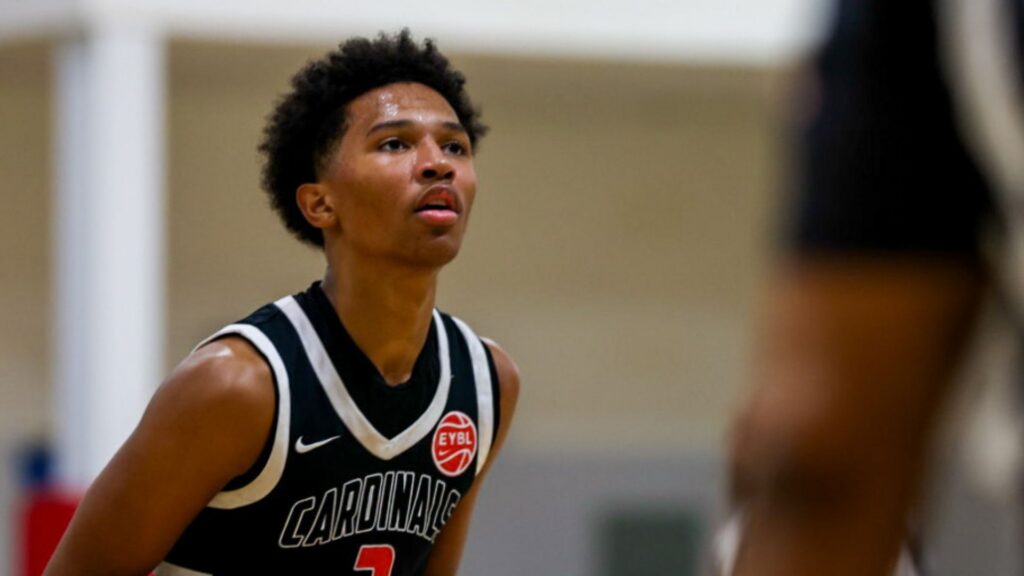
Why This Conversation Matters
Reclassing is not a shortcut.
It is a signal.
A signal that youth sports has accelerated faster than its support systems.
Elite Sports Connect exists to bring clarity to these moments.
Not to advocate for or against reclassing, but to help families understand what they are choosing, why they are choosing it, and what that choice may require over time.
Because buying time only helps if you know how you plan to use it.